
Understanding Obesity and its Impact on Health
Obesity is a complex chronic health condition characterised by excessive body fat accumulation that may negatively affect health outcomes and quality of life. The prevalence of obesity has increased significantly worldwide, contributing to a growing burden of non-communicable diseases across both high income and low- and middle-income countries.
In many African healthcare settings, obesity now coexists alongside undernutrition and micronutrient deficiencies, creating a dual burden of malnutrition. Healthcare professionals play an important role in supporting prevention strategies, nutrition education, and evidence-based management approaches tailored to diverse population needs.
The Nestlé Nutrition Institute Africa (NNIA) provides healthcare professionals with access to scientific resources and educational materials related to obesity, nutrition, and long-term health outcomes.
What Is Obesity?
Obesity is generally defined as abnormal or excessive fat accumulation that presents a risk to health. It develops through complex interactions between biological, behavioural, environmental, social, and genetic factors.
Obesity is increasingly recognised as a chronic disease rather than solely a consequence of individual lifestyle choices. The condition may affect physical health, psychological wellbeing, mobility, metabolic function, and long-term disease risk.
Healthcare professionals are encouraged to approach obesity using compassionate, patient centred, and evidence-based care strategies that recognise the multifactorial nature of the condition.
Healthcare professionals can explore additional perspectives through the NNIA educational article
Reframing Our Understanding of Obesity (Link to: https://nnia.nestlenutrition-institute.org/news/article/2025/04/02/refr…).
How Obesity is Measured
Body Mass Index and Other Assessment Methods
Body mass index (BMI) is one of the most commonly used tools for assessing overweight and obesity in adults. BMI is calculated by dividing body weight in kilograms by height in metres squared.
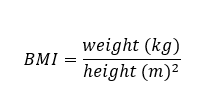
Although BMI is useful for population level screening, it does not directly measure body fat distribution or body composition.
Additional assessment methods may include:
- Waist circumference
- Waist to hip ratio
- Growth charts in children
- Clinical assessment of metabolic risk factors
Healthcare professionals should interpret obesity related measurements within the context of age, ethnicity, muscle mass, clinical history, and overall health status.
Causes and Contributing Factors
Obesity develops through interactions between energy intake, energy expenditure, genetic predisposition, environmental influences, and social determinants of health.
Contributing factors may include:
- High intake of energy dense foods
- Sedentary lifestyles
- Limited physical activity
- Sleep disturbances
- Stress and mental health factors
- Genetic susceptibility
- Urbanisation and environmental changes
- Socioeconomic conditions
Nutrition transitions and increased availability of highly processed foods have contributed to changing dietary patterns in many regions.
Healthcare professionals should recognise that obesity is influenced by broader structural and environmental factors, not only individual behaviour.
Risk Factors and Lifestyle Influences
Physical Activity and Lifestyle Factors
Several lifestyle and environmental factors may increase obesity risk across the life course.
These include:
- Reduced physical activity
- Excessive screen time
- Irregular sleep patterns
- Poor dietary quality
- Tobacco and alcohol exposure
- Limited access to healthy foods
- Social and economic inequalities
Maternal nutrition, infant feeding practices, and early life growth patterns may also influence long term obesity risk.
Healthcare professionals should support holistic approaches that combine nutrition, physical activity, behavioural support, and public health interventions.
Health Complications Associated with Obesity
Obesity is associated with increased risk of multiple chronic diseases and health complications.
Potential complications include:
- Type 2 diabetes
- Hypertension
- Cardiovascular disease
- Dyslipidaemia
- Obstructive sleep apnoea
- Osteoarthritis
- Fatty liver disease
- Certain cancers
Obesity may also affect reproductive health, mobility, mental wellbeing, and quality of life. The growing burden of obesity represents an important global and public health concern, particularly where healthcare systems face increasing rates of non-communicable disease, as discussed in
Prevention Strategies for Obesity
Preventing obesity requires coordinated efforts at individual, community, healthcare, and policy levels.
Important prevention strategies may include:
- Promoting healthy dietary patterns
- Supporting regular physical activity
- Encouraging healthy sleep habits
- Reducing intake of highly processed foods
- Supporting breastfeeding and early nutrition
- Improving nutrition education
- Strengthening public health interventions
Community-based programmes and healthcare initiatives can help support healthier food environments and improve awareness of nutrition related health risks.
Nutrition and Weight Management Approaches
Dietary Patterns and Weight Management
Nutrition plays a central role in obesity prevention and weight management.
Healthcare professionals should encourage balanced and sustainable dietary approaches rather than restrictive or short-term diets. Healthy dietary patterns may include:
- Fruits and vegetables
- Whole grains
- Legumes and pulses
- Lean protein sources
- Reduced intake of sugar sweetened beverages
- Portion awareness and dietary balance
Weight management approaches should be individualised according to health status, cultural context, nutritional needs, and patient preferences.
Behavioural support, nutrition counselling, and multidisciplinary care may improve long term outcomes.
Childhood Obesity Considerations
Obesity in Children and Adolescents
Childhood obesity is an increasing public health concern associated with both immediate and long-term health risks.
Contributing factors may include:
- Poor dietary quality
- Reduced physical activity
- Excessive sedentary behaviour
- Family and environmental influences
- Early feeding practices
Childhood obesity may increase the risk of metabolic disorders, psychosocial challenges, and obesity during adulthood.
Healthcare professionals should support early prevention strategies focused on healthy family nutrition, active lifestyles, and growth monitoring throughout childhood.
NNIA Resources on Obesity and Nutrition
Obesity is a complex condition with significant implications for individual and public health. Its rising prevalence requires a comprehensive approach that integrates nutrition, lifestyle, and clinical care. For healthcare professionals in Africa, understanding local determinants and applying evidence-based strategies is critical. NNIA supports this effort through accessible, science-based resources that enhance clinical practice and patient care. Explore relevant content through our Nutrition Health & Wellness Resource Hub.
FAQ
What is obesity?
Obesity is a chronic condition characterised by excessive body fat accumulation that may negatively affect health.
How is obesity measured?
Obesity is commonly assessed using body mass index (BMI), waist circumference, and other clinical measurements related to body composition and metabolic risk.
What causes obesity?
Obesity develops through interactions between dietary intake, physical activity, genetics, environmental factors, and social determinants of health.
What health complications are associated with obesity?
Obesity is associated with increased risk of type 2 diabetes, cardiovascular disease, hypertension, sleep apnoea, and several other chronic conditions.
Can obesity be prevented?
Prevention strategies include promoting healthy diets, physical activity, sleep health, breastfeeding support, and public health nutrition interventions.
Why is childhood obesity important?
Childhood obesity may affect physical and psychological health and increase the likelihood of obesity and chronic disease later in life.
How can healthcare professionals support weight management?
Healthcare professionals can provide nutrition counselling, behavioural support, lifestyle guidance, and multidisciplinary care tailored to individual needs.
If you liked this post you may also like


